Elements of the Immune System and Their Roles in Defense
- Important in the defense against viral infections. Neutrophils the most numerous innate immune cell patrol.

Barrier Defenses And The Innate Immune Response Anatomy And Physiology Ii
These antibodies are developed by cells called B lymphocytes after the body has been exposed to the invader.
. It is our immune system that keeps us healthy as we drift through a sea of pathogens. Immunity Mediated by B cells and Antibodies. - Enters infected tissue kills virus infected cells secretes cytokins which inhibit viral replication.
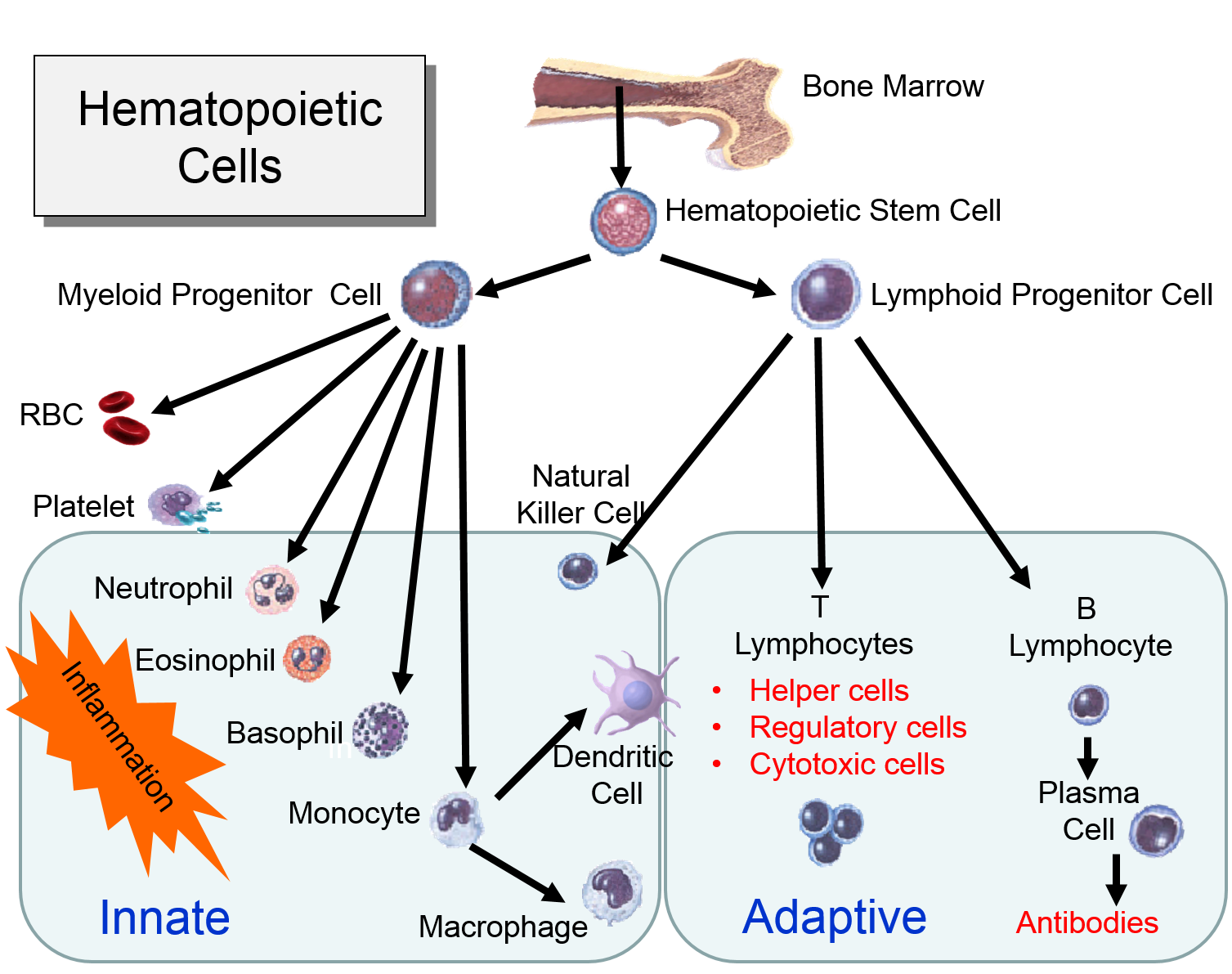
Recruitment of effector mechanisms to kill and eliminate the pathogen How does the innate immune system recognize pathogenic infections. Elements of the Immune System and their Roles in Defense Immunology is the study of the physiological mechanisms that humans and other animals use to defend their bodies from the invasion by all sorts of other organisms Immunity is the ability to resist infection Immune system is the tissues cells and molecules involved in the defense of the body against. B - Lymphocytes Sub-lineage of small lymphocytes.
The Development of B Lymphocytes. Activation of complement leads to robust and efficient proteolytic cascades which terminate in opsonization and lysis of the pathogen as well as in the generation of the classical inflammatory response through the. What are the two steps that the innate immune system takes to control pathogenic infections.
It sends out the alarm that something is wrong. If these are evaded the components of the immune system are quickly activated to protect the. Due to its assissting role in the endocrine system the thymus enlarges in size during childhood.
Elements of the Immune System and their Roles. 176 cards Zeta T. The Development of T Lymphocytes.
Basophils and eosinophils are important for host defense against parasites. Vav1 Vav2 and Vav3. Haematopoietic Cell Lineages.
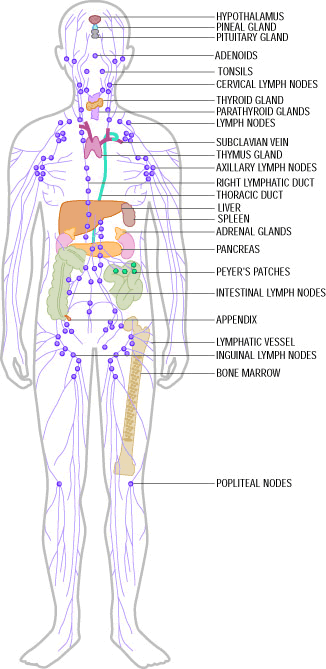
Most importantly it signals and activates the. The innate immune system is the first line of defense. The primary parts of the immune system include the bone marrow and thymus.
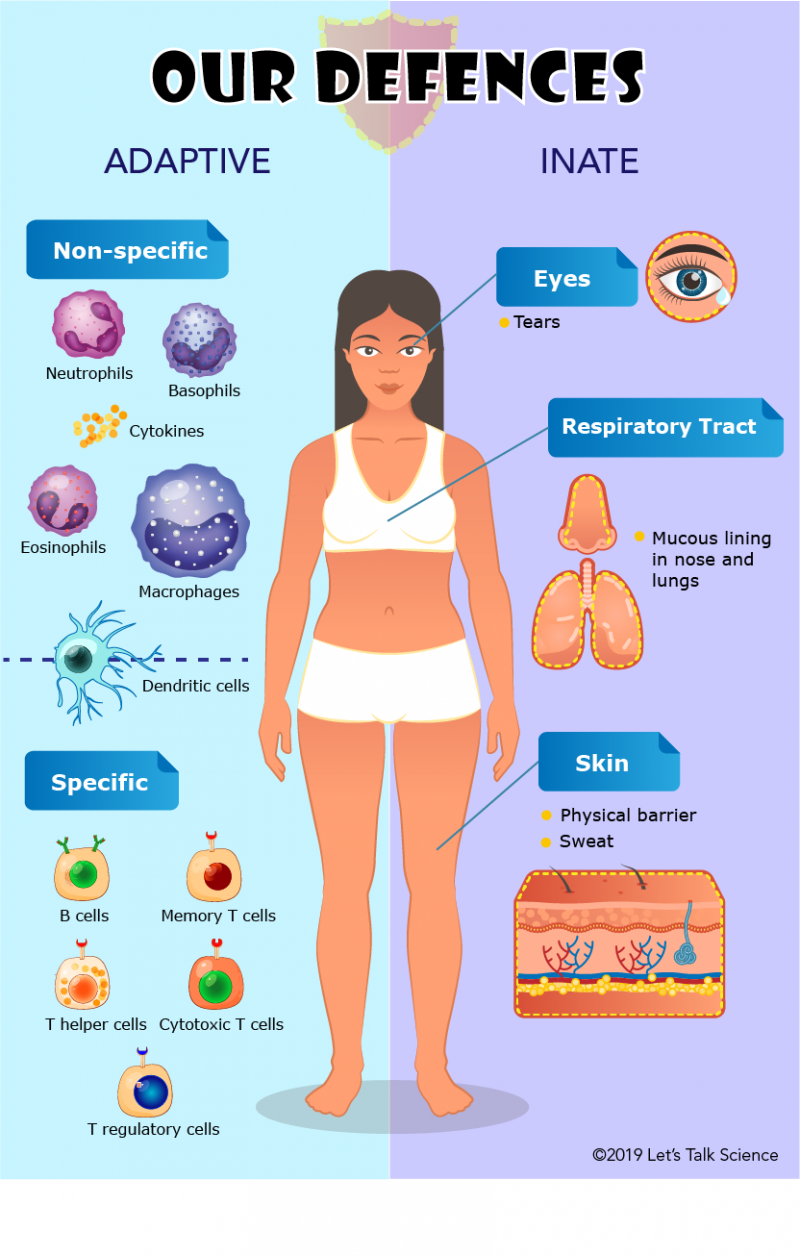
Cell surface receptor is immunoglobulin. The immune system consists of many parts that work together to defend the body against invaders. The innate immune system provides a general defense against common pathogens any bacteria virus or other disease-causing microorganism which is why it is also known as the nonspecific immune system.
Cells of the immune system the immune system is composed of specialized _____ _____ ____ and ____ organs tissues cells and soluble factors. Elements of the Immune System and their Roles in Defense. The innate immunity plays a critical role in host protection against pathogens and it relies amongst others on pattern recognition receptors such as the Toll-like receptors TLRs and the nucleotide-binding oligomerization domains proteins NOD-like receptors NLRs to alert the immune system of the presence of invading bacteria.
Nonspecific Resistance Innate Immunity 3. The Immune System Innate immunity. Our immune system has two arms.
Molecular Mediators of the Innate Immune Response 1 Directly bactericidal molecules 1. They also are involved in allergic reactions. Natural killer NK cells also are derived from the common lymphoid progenitor and share features of both innate and adaptive immune cells as they provide immediate defenses like innate cells but also may be retained as memory cells like adaptive cells.
It detects and responds to a wide variety of pathogens from viruses to parasitic worms as well as cancer cells and objects such as wood splinters distinguishing them from the organisms own healthy tissue. Most of the defensive barrier functions of the epidermis. Three of these proteins occur in the human body.
All the cellular elements of blood including the red blood cells that transport oxygen the platelets that trigger blood clotting in damaged tissues and the white blood cells of the immune system derive ultimately from the same progenitor or precursor cellsthe hematopoietic stem cells in the bone marrow. The bone marrow is. Permeability and antimicrobial function are both co-regulated and interdependent overlapping through the dual activities of their lipidprotein constituents.
Antigen Recognition by T Lymphocytes. Yet the epidermis mediates a broad set of protective barrier functions that includes defense against pathogen challenges. Antibody Structure and the Generation of B-Cell Diversity.
It doesnt impact the immune system though because by the time humans reach adulthood. All these cells exhibit a rapid non-specific response to either foreign cells or to tumor cells. Granulocytes include basophils eosinophils and neutrophils.
The immune system is a network of biological processes that protects an organism from diseases. It eventually begins to shrink during puberty and adulthood and is replaced by adipose tissue loose connective tissue made mostly of apidocytes or fat cells. This discussion will begin with a brief description of the organs and tissues associated with the immune system and then focus on the cells that provide innate and.
This vast network of cells and tissues is constantly on the lookout for invaders and once an enemy is spotted. Many species have two major subsystems of the immune system. Complement System Function in Immune System Background The complement system plays a crucial role in the innate defense against common pathogens.
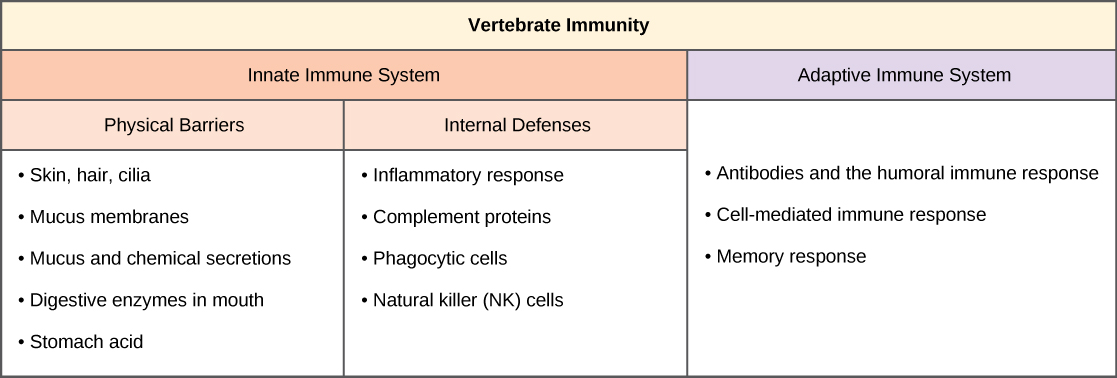
Biology Immunology Practice all cards what are the 2 components of the immune system. The innate immune system and the adaptive immune system. The immune defense system comprises a combination of anatomic physical barriers including the skin mucous membranes mucous blanket and ciliated epithelial cells.
It can take several days for antibodies to develop. As these stem cells can give rise to all of the different types of blood cells they. The antibodies stay in your childs body.
It generally recognizes patterns in cells that help sort self from pathogens. Because it is the first line of defense it participates in the general elimination of pathogens. Physical and Chemical Barriers Innate Immunity 2.
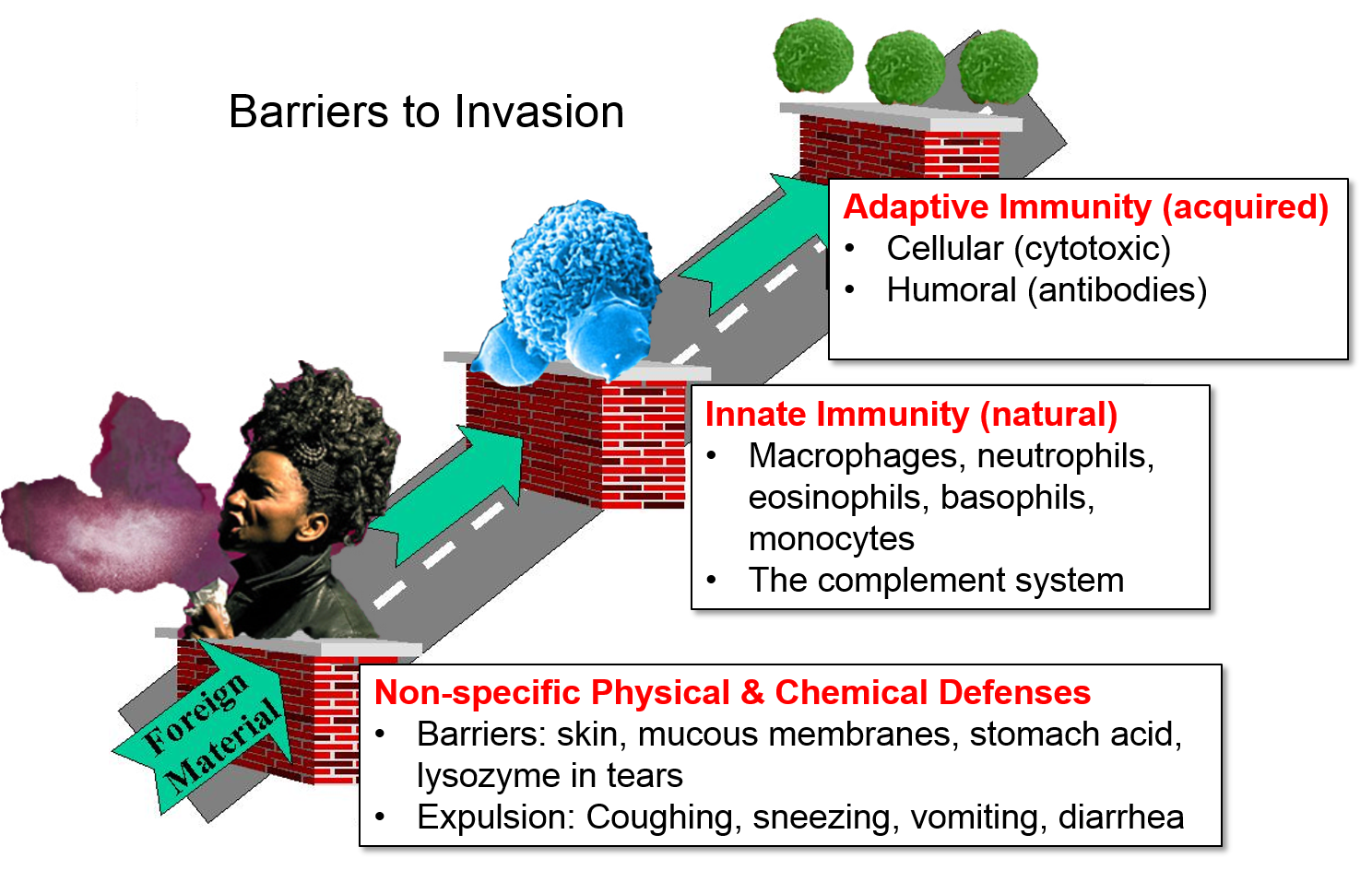
Innate and adaptive immunity. The acquired immune system with help from the innate system produces cells antibodies to protect your body from a specific invader. The Immune System has 3 Lines of Defense Against Foreign Pathogens.
The immune system provides two levels of defense. Lymphoid tissues and organs 2. Specific Resistance Acquired Immunity Physical and Chemical Barriers Innate Immunity Physical and chemical barriers form the first line of defense when the body is invaded.
Represents the first line of defense against an intruding pathogen. Effector cells are plasma cells secrete soluble immunoglobulins - antibodies T- Lymphocytes. There are two branches of the immune system the innate immune system and the adaptive immune system.
Recognition of the presence of a pathogen 2. The Immune System Fourth Edition emphasizes the human immune system and presents. The Bodys Defenses Against Infection.
If all three are deactivated the body is particularly susceptible to fungus. The immune system defends the body against infectious agents and other internal and external insults. B T and NK cells also are called lymphocytes.
Although theyre often considered two separate entities they work together.
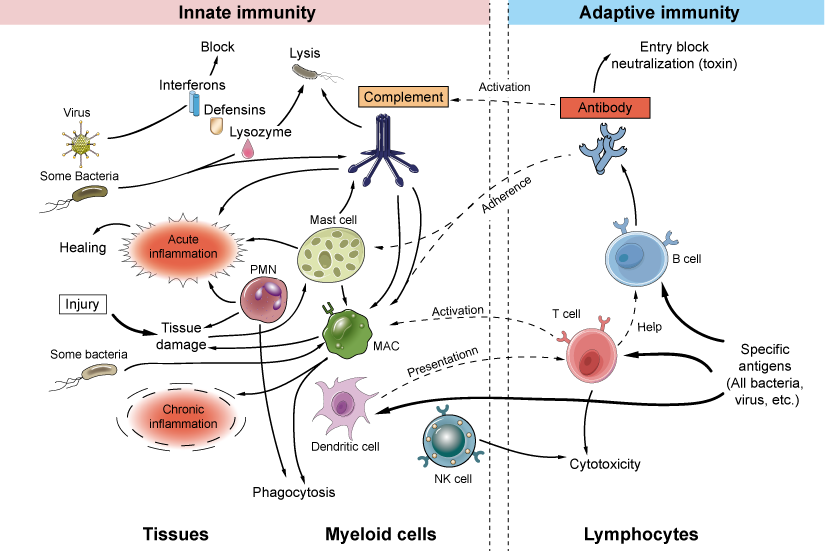
Innate And Adaptive Immune Mechanisms Creative Diagnostics

Bio 301 Blood And Body Defenses Ii

Biological Defense Mechanisms That Protect The Body The Immune System Download Scientific Diagram
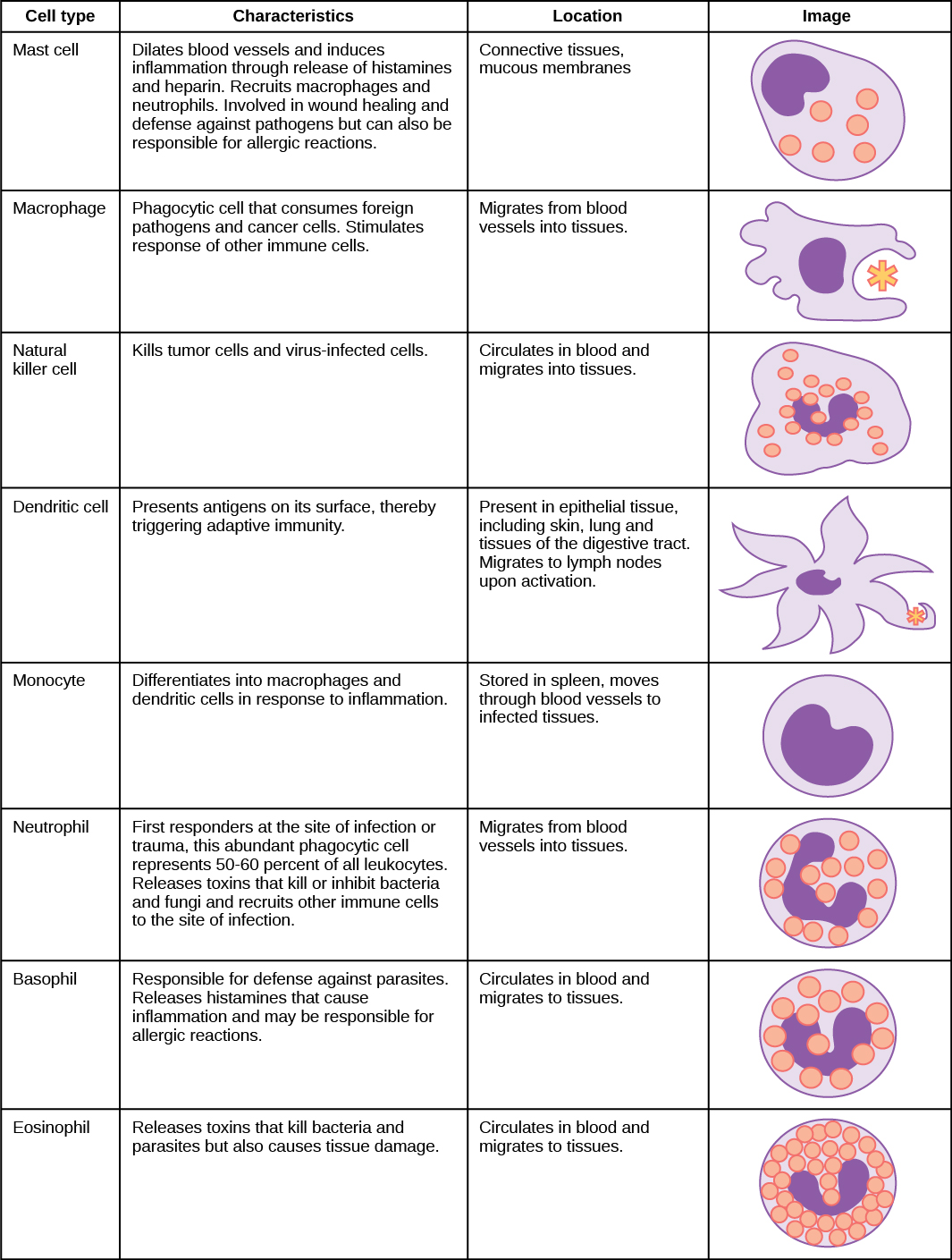
23 1 Innate Immune Response Concepts Of Biology 1st Canadian Edition
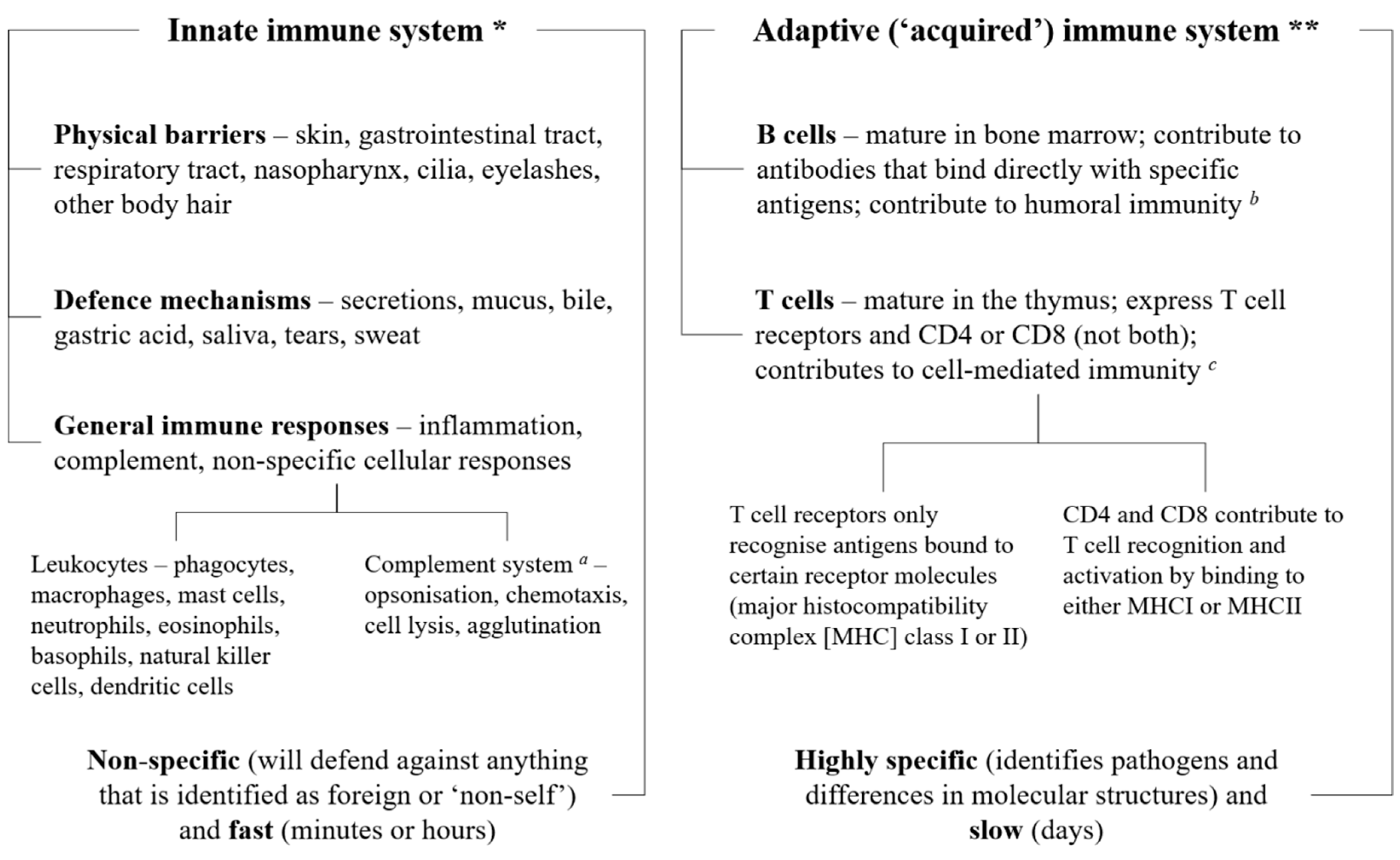
Nutrients Free Full Text Immune Function And Micronutrient Requirements Change Over The Life Course Html

Cellular Components Of The Mammalian Immune System The Mammalian Download Scientific Diagram
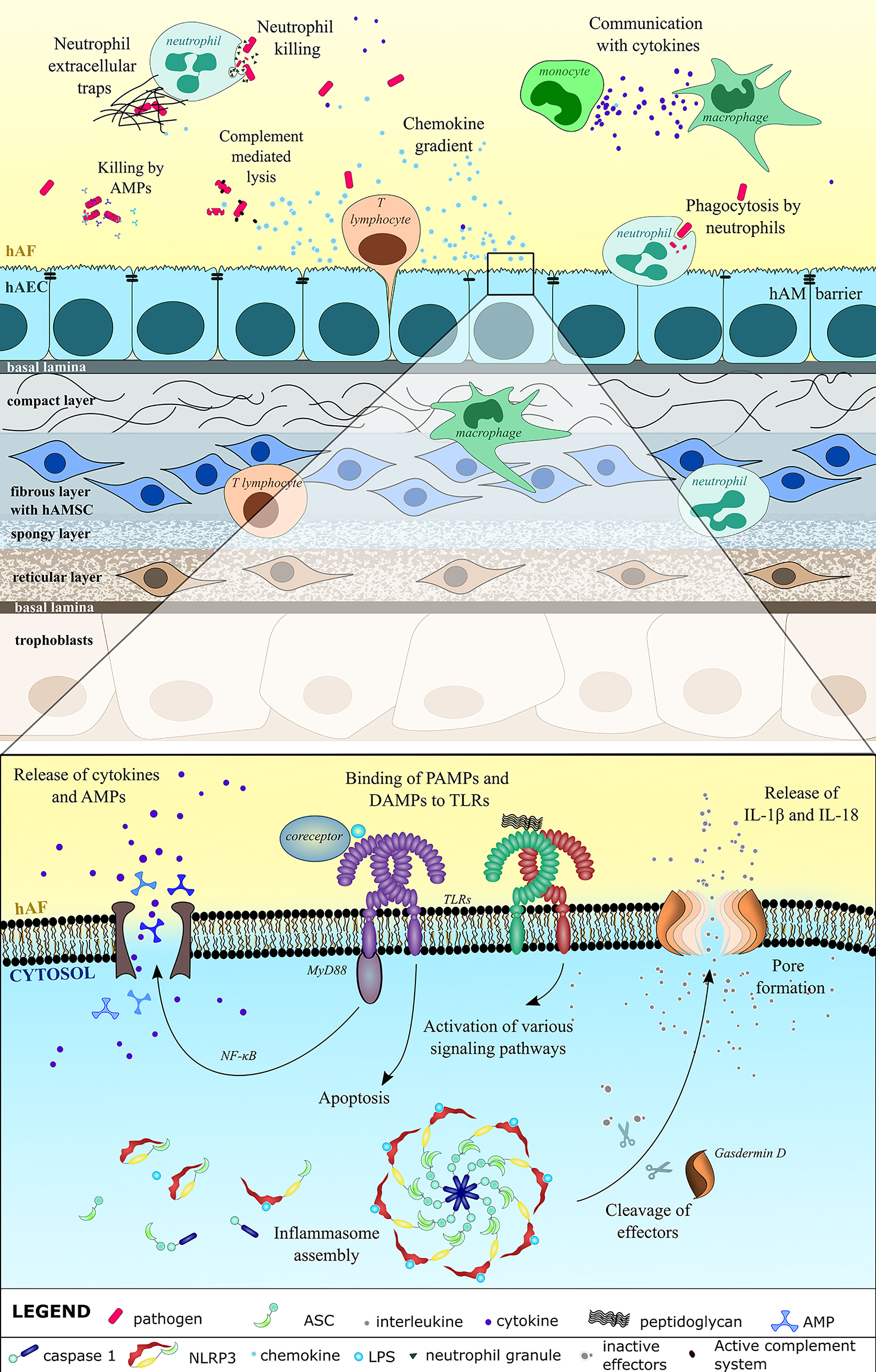
Frontiers The Role Of Innate Immune System In The Human Amniotic Membrane And Human Amniotic Fluid In Protection Against Intra Amniotic Infections And Inflammation Immunology
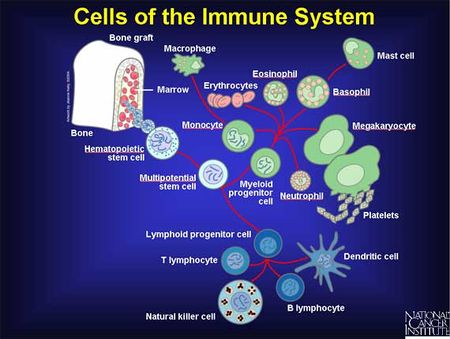
Immune System Physiopedia
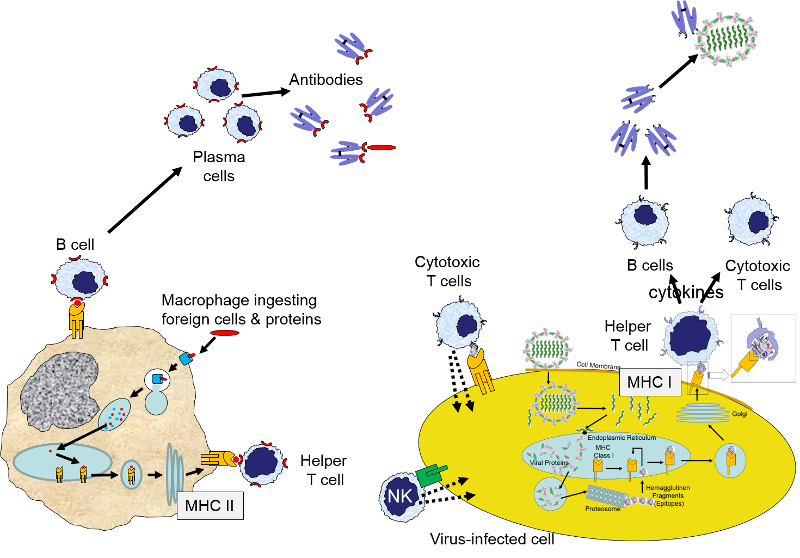
Defense Mechanisms
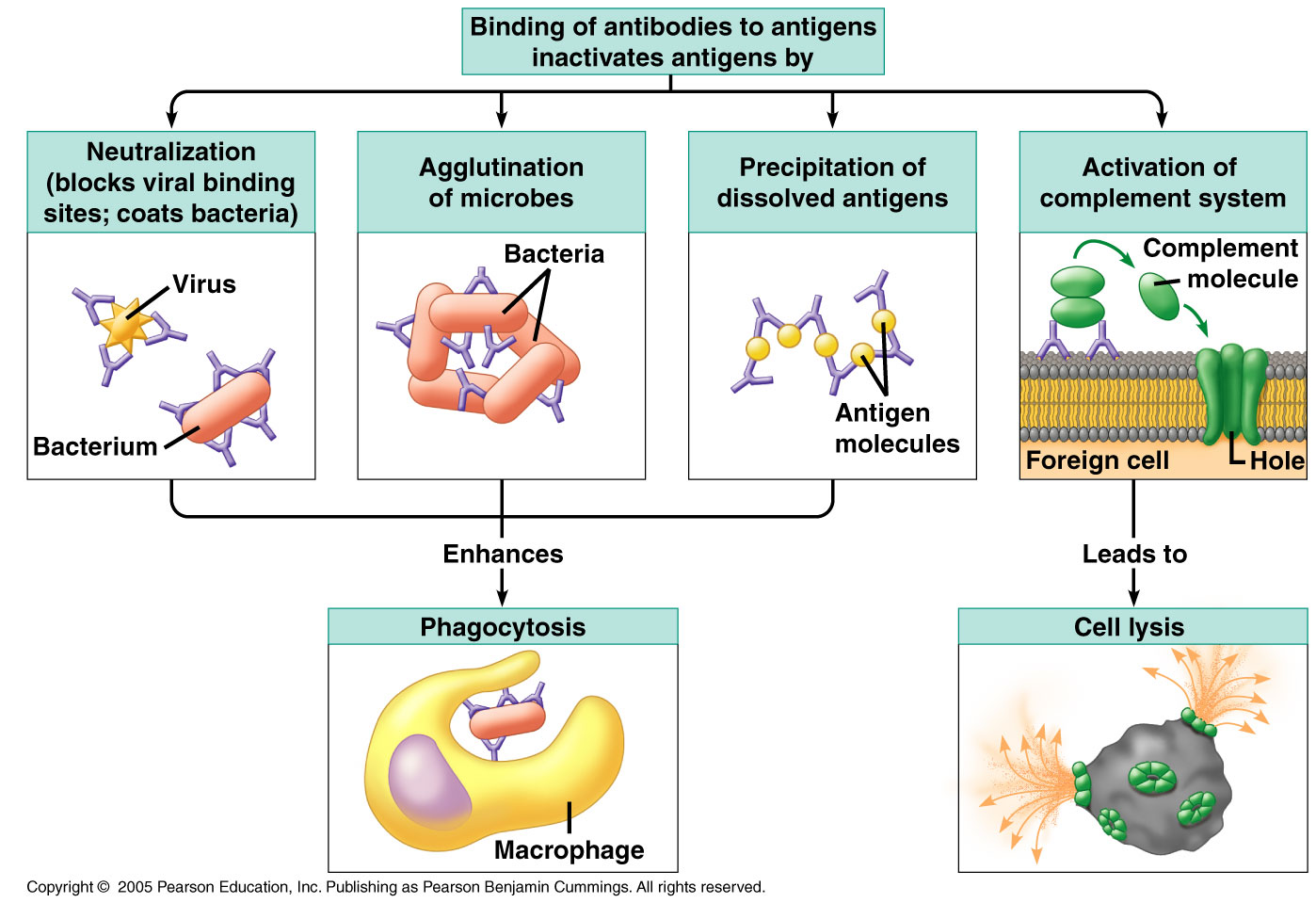
Immune System

Functions Immune System Innate Types Cells Their And Oftypes Of Immune System Cells And Their Fun Medical Knowledge Medical Laboratory Medical Anatomy

Immune Defense Against Bacterial Pathogens Innate Immunity
Overview Of Immunity

Cellular Components Of The Mammalian Immune System The Mammalian Download Scientific Diagram
The Immune Response Let S Talk Science
12 2 Innate Immunity Concepts Of Biology 1st Canadian Edition
Defense Mechanisms

Flowchart Of Basic Components Of Human Immune System Download Scientific Diagram
Defense Mechanisms


Comments
Post a Comment